
The Allure of Ambiance
The ambiance of a casino is meticulously crafted to invoke feelings of excitement and relaxation simultaneously. Designers use various elements, including lighting, color schemes, and soundscapes, to create an immersive experience. Bright lights and vibrant colors draw patrons in, stimulating their senses and promising a world of thrill, especially when playing at an online casino australia that offers unique themes and gaming options. The right combination of these elements can evoke emotions that encourage guests to stay longer and engage more deeply with the gaming experience.
Additionally, casinos often employ a sound design that is both subtle and intentional. The sounds of slot machines chiming with wins, the muffled chatter of excitement, and the background music are all carefully selected to enhance the overall atmosphere. This audio backdrop serves to drown out distractions from outside the casino, keeping patrons focused on the excitement within. The psychological effect of this combination of visual and auditory stimuli can lead to prolonged gambling sessions.
Moreover, the overall design often incorporates a sense of luxury and exclusivity. Plush carpets, elegant furnishings, and sophisticated décor create an environment where guests feel valued and important. This luxurious atmosphere encourages visitors not only to engage with various games but also to partake in dining and entertainment options, maximizing their spending and enhancing their experience.
Layout and Navigation
The layout of a casino is no accident; it is a carefully planned maze that encourages exploration and extended play. Designers strategically position high-traffic areas like gaming tables, slot machines, and dining options in a way that leads patrons on a winding journey through the casino. This design is known as the “rat trap” effect, where the goal is to keep guests inside the casino longer by heightening curiosity and maintaining engagement.
Casinos often utilize a flow that guides players from one attraction to another, creating a sense of progression in their experience. This design approach can make it challenging for patrons to exit, as they may become engrossed in the gaming options available to them. With carefully placed entrances and exits that might feel somewhat hidden and easily missed, guests may feel compelled to continue playing rather than seeking their way out.
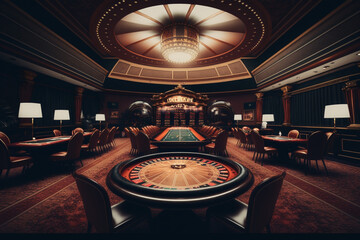
Even the proximity of different games has been carefully considered. High-stakes tables are often located near popular slot machines to attract high rollers and casual players alike. Such placements encourage mingling among patrons and can lead to increased betting as individuals feel the thrill of their surroundings. This strategic layout is a prime example of how casinos leverage human psychology to enhance overall revenue.
Gamification and Reward Systems
Gamification is a prominent psychological strategy employed by casinos to keep players engaged and motivated. By integrating reward systems, such as loyalty points or cashback incentives, casinos can entice players to continue investing time and money into their games. These rewards create a sense of achievement and can manipulate players into believing they are making progress, even if the odds are against them.
Additionally, the thrill of uncertain outcomes is a crucial psychological factor in gambling. Knowing that a big win could be just around the corner is a powerful motivator. This unpredictability can lead to what is known as the “near-miss effect,” where players feel compelled to play more because they came close to winning. Casinos capitalize on this sensation by creating experiences that keep players on edge, fueling their desire to keep playing.
Furthermore, the use of technology in gaming machines and table games has evolved to enhance this engaging experience. Interactive displays, engaging tutorials, and layered rewards systems add depth to the gameplay. This dynamic encourages players to explore various options and remain in the casino for extended periods. The emotional response tied to winning—however occasional—creates a psychological loop that reinforces a player’s need to return and chase the next big win.
The Role of Social Interaction
Social interaction plays a significant role in the casino experience, and this is an aspect that designers don’t overlook. Casinos often incorporate communal spaces and game tables that encourage collaboration and conversation among players. The infectious energy of cheering and communal excitement enhances the appeal of the gaming experience, making it more than just an individual endeavor.

In addition, social aspects can lead to increased gambling behavior. When individuals see others winning or celebrating, they are more likely to participate themselves, driven by the fear of missing out. Designers utilize this dynamic by creating spaces that encourage togetherness, leading to a more vibrant environment that feels alive. This sense of community contributes to an inviting atmosphere where guests feel comfortable spending significant time and money.
Moreover, many modern casinos harness the power of technology to enhance social interaction. Platforms that allow for mobile betting or social gaming options can increase overall engagement and interaction among players. These innovations cater to a younger demographic that values social connections, further ensuring that the casino remains a relevant and engaging destination.
Exploring Further: The Website Connection
The website of a casino serves as a digital extension of the physical experience, designed to maintain the same psychological principles found within the venue. It aims to mirror the excitement and allure of the casino while providing essential information that can guide potential visitors. By utilizing vibrant visuals, engaging content, and seamless navigation, casinos can attract guests online and encourage them to visit in person.
Furthermore, the website often plays a critical role in enhancing user experience through promotional offers, event announcements, and loyalty programs. This online presence extends the psychological influence of the casino’s design, encouraging prospective players to anticipate their visit and plan accordingly. The integration of social media channels also allows casinos to engage with their audiences, reinforcing their brand and keeping the conversation alive.
In conclusion, the design of casinos is a complex interplay of psychology and marketing strategies aimed at maximizing patron engagement and monetary return. By understanding the elements that draw people in and keep them invested, casino operators can create an environment that not only enchants but also thrives. This strategic focus on design will continue to evolve as technology and consumer behavior change, but the fundamental principles will remain essential to the casino experience.
Recent Comments